

A One-minute Elder
ELDERS IN THE GAP

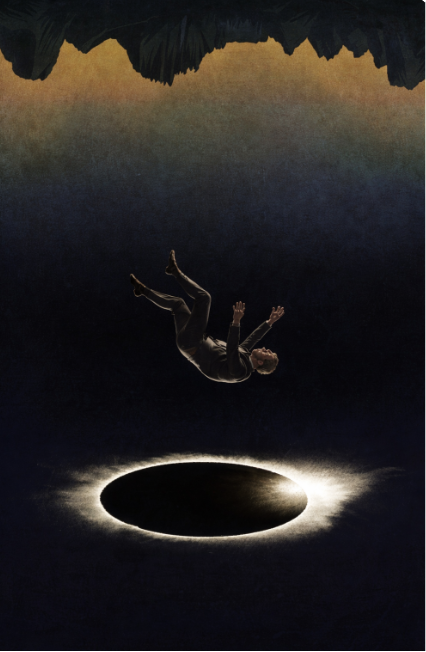
ELDERS IN THE GAP
I want to talk about something most people experience, but almost no one understands: the gap.
A gap isn’t a breakdown. It isn’t confusion. And it isn’t failure. The gap can be a teacher.
A gap is what happens when what used to work no longer does—and what comes next hasn’t shown itself yet.
You’re not lost.
You’re between.
The Buddhists call it the “bardo.”
The gap is uncomfortable by design. It feels like standing on thin air. The old reference points are gone. The habits, identities, and strategies that once gave traction no longer grip.
So, the mind starts talking. Loudly. It tells old and harmful stories: “Something’s wrong with me. I should know better by now. I’m falling and failing behind.”
These conversations promote emotional and system responses. Shoulders tighten, breathing becomes shallower, posture bends. Anxiety. Apprehension. Fear. Panic.
Here’s the critical distinction: the gap is a concept. And the moment you name it, label it, everything changes.
Without the concept, the mind interprets the experience as a personal breakdown. With it identified, you recognize what’s actually happening—a transition is underway.
Nothing is broken. Something is reorganizing.
When I say I’m in a gap, I’m not making excuses. I’m preventing false conclusions. I’m stopping myself from forcing movement from a structure that no longer exists.
The gap buys me something invaluable: the suspension of premature action. It slows me down enough to listen rather than react.
And when listening increases, perception deepens.
The gap strips away false urgency. It interrupts the addiction to resolution. It creates space for a new orientation to emerge rather than be manufactured. That’s what people miss. The gap isn’t where answers appear, it’s where better questions replace bad ones.
But let’s be clear: there’s a cost.
Being in the gap costs certainty. It costs the identity anchor. It costs social approval, because people get nervous when you’re not “doing something.” Emotionally, it can feel raw. Unsettled. Exposed. And if you stay too long, the gap turns from a passage into a waiting room.
That’s the trap.
You don’t get out of the gap by thinking harder or deciding faster. You get out when something else stabilizes. A new way of being. A new posture. A different relationship to what’s occurring. You’re now able to reorganize the now disparate parts into a whole that is designed for the future, unchained from the past. Unchained from who you used to be.
You know you’re leaving the gap when movement feels clean instead of desperate. When energy returns without adrenaline. When direction shows up without explanation.
Alignment replaces effort.
The gap closes not because you escaped it—but because you stood in it long enough for something truer to take shape.
That’s not passivity.
That’s discipline.
My new vision is to create an AI that, while in the gap, formulates questions that allow you to self-examine, contemplate, and reflect, so the gap becomes valuable. Lining up funding and our Cluster of Elders (beta teachers); care to participate?
Wow. The gap, framed in this way, reminds me of a sabbatical rest. The point of a sabbatical, I see it as, a time of gap which helps you discern the next steps. What is beautiful about the language you used to describe the gap is that it takes away the societal understanding that you must always be doing something. Moving forward. The gap is uncomfortable because we are always moving never stopping regardless if it is feeding your spirit or slowly killing it. I love the idea of a reorganization instead of a broken part of your life. The guilt you feel no longer feels gross when you name this pause in our lives. Thank you from someone who is actively in the gap.