

A One-Minute Elder
DEBUNKING THE LONGEVITY OBSESSION A Five-Part Series
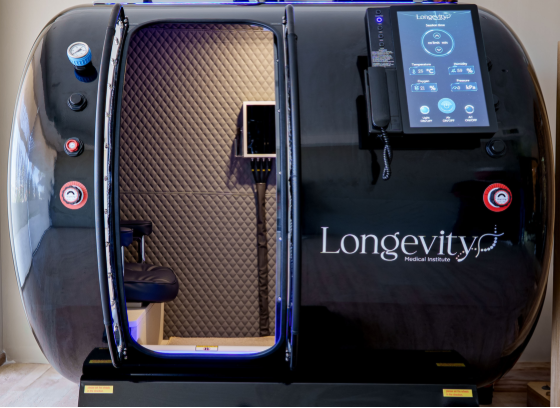
Part I – What’s Behind the Longevity OBSESSION?
What is the source causing this strong, intense interest and investment in increasing longevity? What is driving this movement?
When examined, the feverishness around longevity in this country isn’t really about adding years. It’s about what people are trying to outrun.
On the surface, the story is clean and technical: breakthroughs in biotech, AI-driven drug discovery, precision medicine, CRISPR, with venture capital seeking the next trillion-dollar platform.
But underneath the spreadsheets and clinical trials lives something senior, more formidable, and much less polite. Fear. Fear of irrelevance. Fear of dependency. Fear of becoming obsolete. Fear of becoming invisible in a culture that worships speed, novelty, and youth.
Longevity has become a modern version of the fountain-of-youth myth, dressed in lab coats and term sheets.
Longevity promises not just survival, but exemption. Not just health, but an escape from the cultural sentence of “elderly,” which too often means sidelined, weakened, and slowly erased from the deciding conversations. Irrelevant. Extraneous. Unimportant.
The obsession isn’t simply living longer. It’s staying central. Staying meaningful. Staying in the game. The ego doesn’t die; it just morphs to continue to protect itself. Of course, it would crave longevity. Its job is to keep itself in existence.
This existential fear finds a partner in economic anxiety. People sense that the world is consolidating—capital, technology, platforms, influence. When systems grow larger and faster than any single person can manage, the instinct is to hold on; to grasp tightly to what was. More time feels like more leverage. More years to adapt, to reposition, to remain a driver rather than a backseat passenger asked to be quiet.
But beneath even these external pressures lives something more intimate: unfinished business. Work that still feels half-built. Relationships not yet repaired. Longevity becomes a way to postpone the reckoning with your limits. “If I can only buy more runway, maybe I don’t have to face the fact that my life is finite.”
From an Elder’s vantage point, the longevity movement reads differently. The question for Elders isn’t, “How do we defeat aging?” It’s, “What would make these years I have left—however many there are—worth inhabiting fully?”
The fever for longevity is a signal not of strength but of a culture’s unease with its own impermanence, still searching for meaning in duration rather than in depth.
Elders do not try to outrun death; they walk side by side. For Elders, it’s not about how long you live, but how well you live.

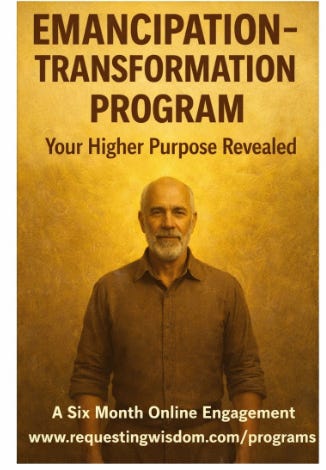
This program aims for conscious liberation from prevailing cultural narratives about growing old.
The program expands the freedom to be and act without being constrained by self-imposed limiting beliefs or external circumstances.
The program empowers participants to discern conditioned behavioral patterns so they can choose rather than react.
The program develops participants’ ability to individualize their AI, learn to optimize their transformational work with it, and make it an active thought partner in their development.
Registration opens June 2026.
Abbie, brilliant insight.
The pursuit of longevity is redirected ageism.